These are hobby apps, built in my own time as personal work. Professionally, I work at
Storm Technologies.
Games, learning tools, and utilities, made in London. Most of them started as something my
kids asked for. Most are free, work offline, and need no account.
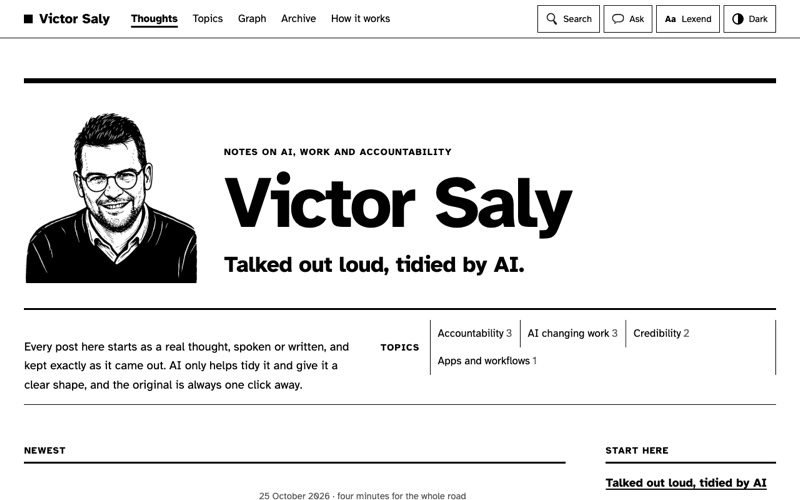
A blog where every post starts as a voice note, kept exactly as it came out. AI agents tidy it into a post, and I read every change and merge it before anything goes live.
An agent skill that puts before-and-after screenshots in every pull request that changes what people see, on a desk and a phone. You ask your coding agent to SideShot the PR, and it does the rest.
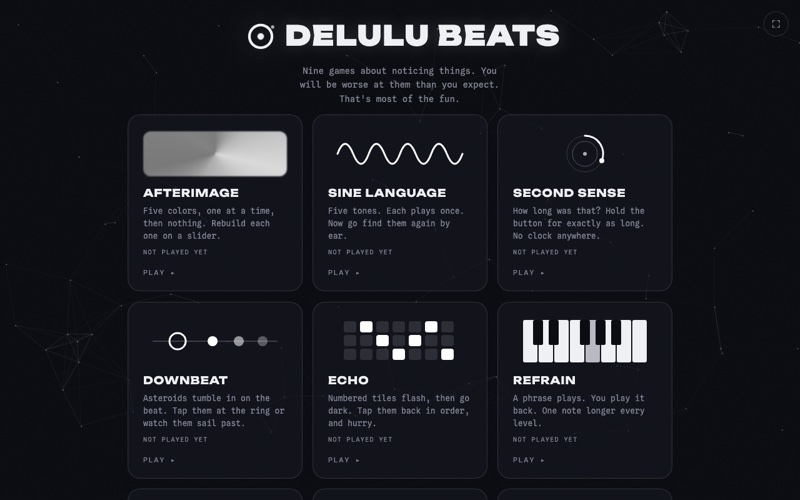
Nine full-screen games for colour, pitch, duration, rhythm, spatial memory and melody — see it, hear it, remember it, then dial it back in. Plus Beat Lab, a browser studio for building and downloading your own loop. Everything is synthesised in the Web Audio API; there is a seeded daily challenge shared by everyone.
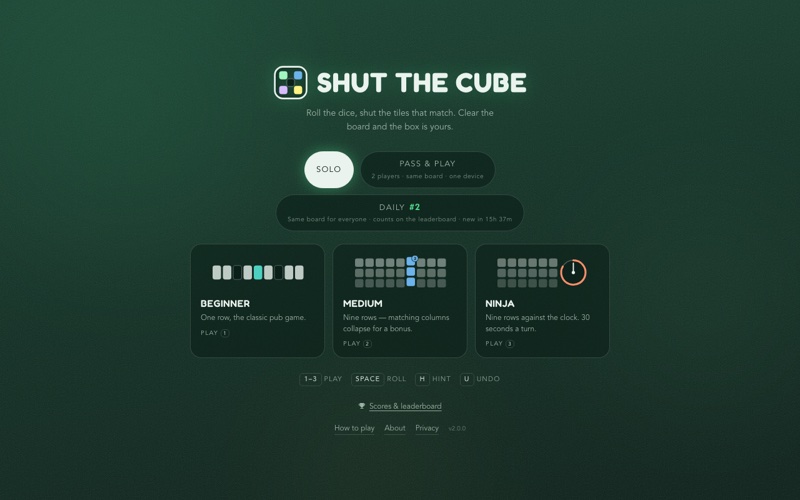
The pub dice game Shut the Box, plus a nine-row variant of my own where a matching column of tiles collapses together for a bonus. Every tile plays its own note on a pentatonic scale, so a good move sounds deliberate. Installs as an app, plays with no network, keeps no account.
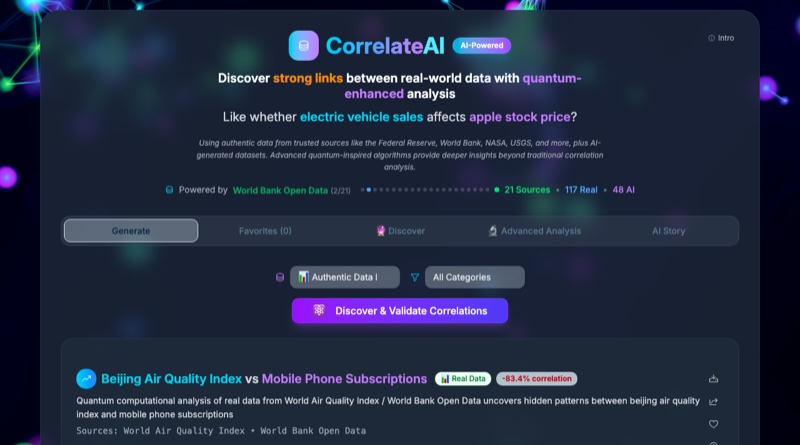
Pick any two real public datasets and it tells you whether the correlation is real or a coincidence. Two things that rise over the same decades will almost always correlate, so it removes each series’ time trend and checks whether the link survives. A toy with a serious point about how easy it is to find a convincing relationship in real data.
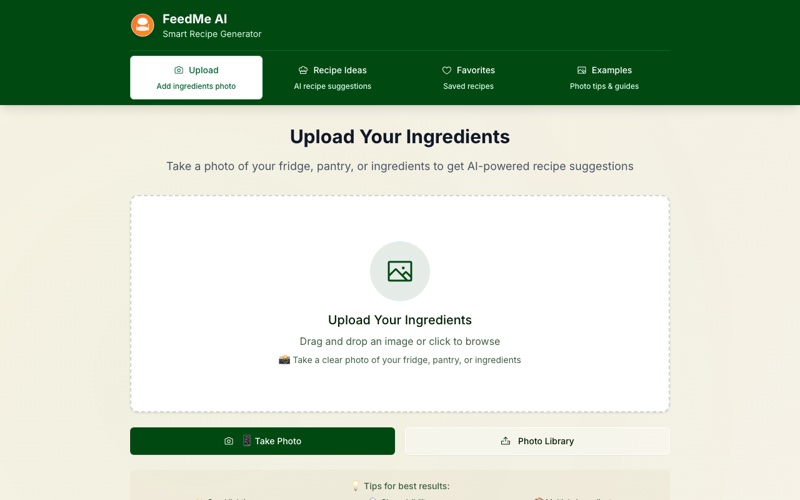
Tell it what is actually in the fridge and it suggests something you can cook tonight — then carries the two or three things you are missing through to the shop. It works from the ingredients you already have rather than the ones a recipe wishes you had, which is the only part of meal planning I have ever found genuinely hard.
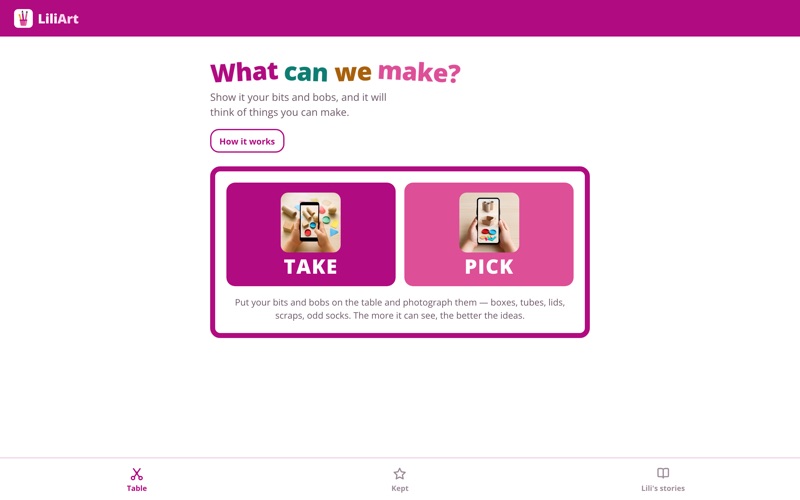
Photograph the odds and ends on the table — tubes, lids, scraps, odd socks — and it works out what a child could make from them. The ideas only use what is actually there, the steps arrive one at a time with a picture of each, and when it is finished you photograph what you made.
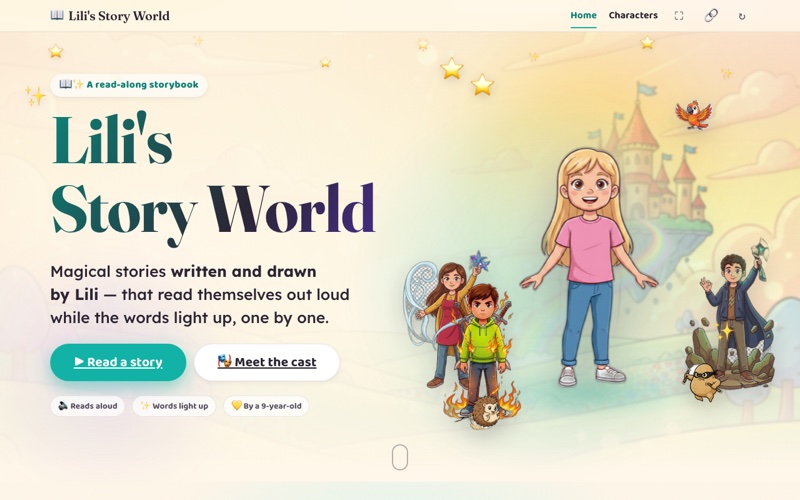
An illustrated read-along storybook site for a young dyslexic author — my daughter. It reads aloud with the current word highlighted, gives each character its own voice, and pairs every paragraph with its own artwork. Built around what actually helps her read, not around what looks good in a demo.
Offline desktop app that builds and exports UK bank bulk-payment files. Santander Connect is live, Bacs Standard 18 is in beta. Encrypted at rest, and nothing ever leaves the machine — which is the whole reason it exists.
An educational strategy game for twelve-year-olds: work up from peasant to world leader using real GDP data, with AI tutors and speech recognition. Written almost entirely by AI against a detailed instruction set, as an experiment in how far that goes.
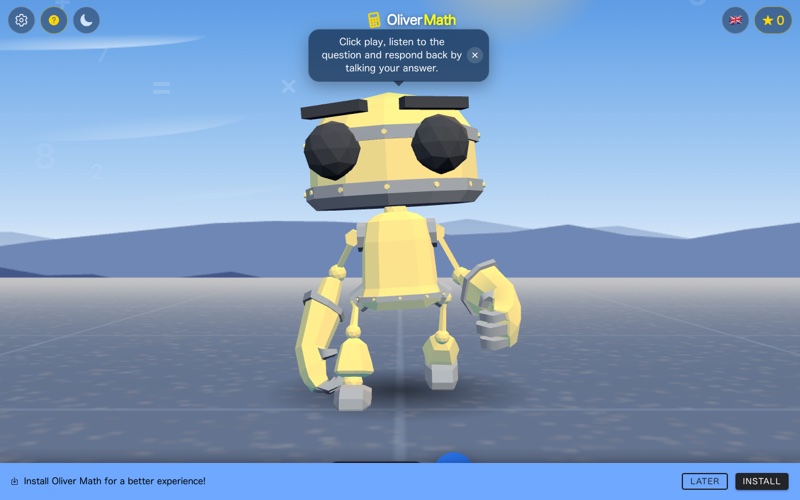
A speech-driven vocabulary practice app built with my son. He set the rules, I did the typing. It talks, listens, and answers back using the Azure Speech API.
The original, and the reason Shut The Cube exists. Vue 2 and webpack 3, loading Tailwind from an unversioned CDN URL — when that tag moved, the tile colours silently stopped existing and the live game lost its styling. Kept here as the before picture.
Vue 2, Archived
How these get made
A weekend is enough to finish something small, and finish it properly.
Nearly all of this is built with an AI pair: I decide what it should be and why, and review
every line that lands. Real tests, real accessibility, no analytics, no accounts, nothing
loaded from a CDN at runtime. The constraint I keep is that each one has to work with the
network off. How that works is written up on the blog.
A year ago my son and I tried to build his game with AI, and after three to four weeks it could not do it. Today I am almost sure it would. The AI is better, and I know better how much to hand over, and how to ask and review.
AI-assisted work is not cheating, and we should stop hiding it. The skills bar is raising, and the one who decides what sits and what does not is still the human. Think first, build after, and keep the core of your identity.
Every post here starts as a messy voice note, kept exactly as it was spoken. Everything you read is tidied from it by AI, marked as such, one click from the original. Your thinking is yours; the tool only changes the shape.